🌍 Sustainability & Water Conservation: A Responsibility for a Better Tomorrow

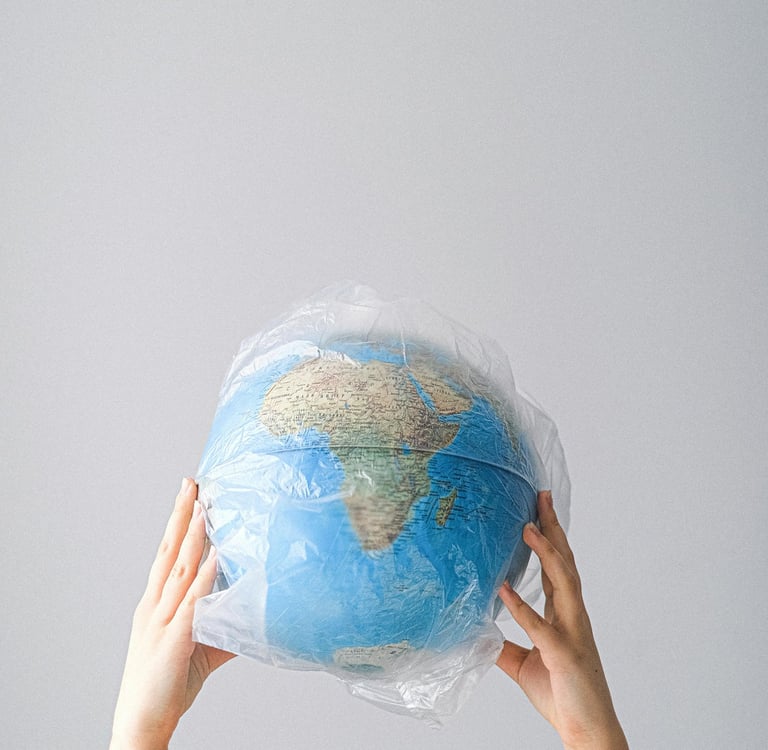
Water is the foundation of life, yet it is one of the most threatened natural resources today. Rapid urbanization, industrial growth, and climate change have significantly increased pressure on freshwater sources. Sustainability and water conservation are no longer optional practices — they are essential responsibilities for industries, communities, and individuals alike.
💧 Why Water Conservation Matters
Freshwater resources are limited, and a large portion is lost due to pollution, inefficient usage, and untreated wastewater discharge. Conserving water helps to:
Reduce stress on natural water bodies
Protect ecosystems and biodiversity
Ensure water availability for future generations
Support sustainable economic growth
Sustainable water management is the key to balancing development with environmental protection.
♻️ Role of Sustainability in Water Management
Sustainability focuses on using resources efficiently while minimizing environmental impact. In water management, this means:
Treating and reusing wastewater
Reducing freshwater dependency
Preventing water pollution
Adopting eco-friendly technologies
By integrating sustainability into water systems, industries and communities can significantly lower their environmental footprint.
⚙️ Wastewater Treatment & Water Reuse
Modern wastewater treatment technologies make it possible to treat water to high-quality standards and reuse it for:
Industrial processes
Cooling systems
Gardening and landscaping
Flushing and construction activities
Recycling treated water not only conserves freshwater but also reduces wastewater discharge into the environment.
🌱 Beyond Water: Protecting Nature
True sustainability goes beyond technology. Environmental preservation plays a vital role in water conservation. Initiatives such as:
Tree plantation
Gardening and green spaces
Eco-friendly landscaping
help improve groundwater recharge, reduce soil erosion, and maintain ecological balance. Green surroundings also contribute to better air quality and healthier communities.
🏭 Sustainable Practices for Industries & Communities
Industries and commercial establishments can adopt several sustainable practices:
Installing efficient wastewater treatment systems
Monitoring water usage and reducing losses
Implementing rainwater harvesting
Promoting water reuse and recycling
These practices not only ensure regulatory compliance but also result in long-term cost savings.
🔮 The Future of Sustainable Water Management
The future lies in smart, integrated, and energy-efficient water solutions. Automation, real-time monitoring, and advanced treatment technologies will continue to improve efficiency and reliability. Combined with environmental initiatives, these solutions will support a circular and sustainable water economy.
✅ Conclusion
Sustainability and water conservation are deeply interconnected. By treating wastewater responsibly, reusing water efficiently, and preserving nature through green initiatives, we can protect our planet’s most valuable resource.
Sustainable water management is not just about meeting today’s needs — it is about securing a healthier, greener future for generations to come.
Contact
Reach out for expert wastewater solutions
Phone
+91-6354010863
© 2025. All rights reserved.
envitouchsolutions@gmail.com